Blogs
Our reflections on effective Hybrid Working, from WOX and friends
Looking for in-depth guides?
Explore our comprehensive guides on desk booking, room scheduling, hybrid work, and more.
Latest articles
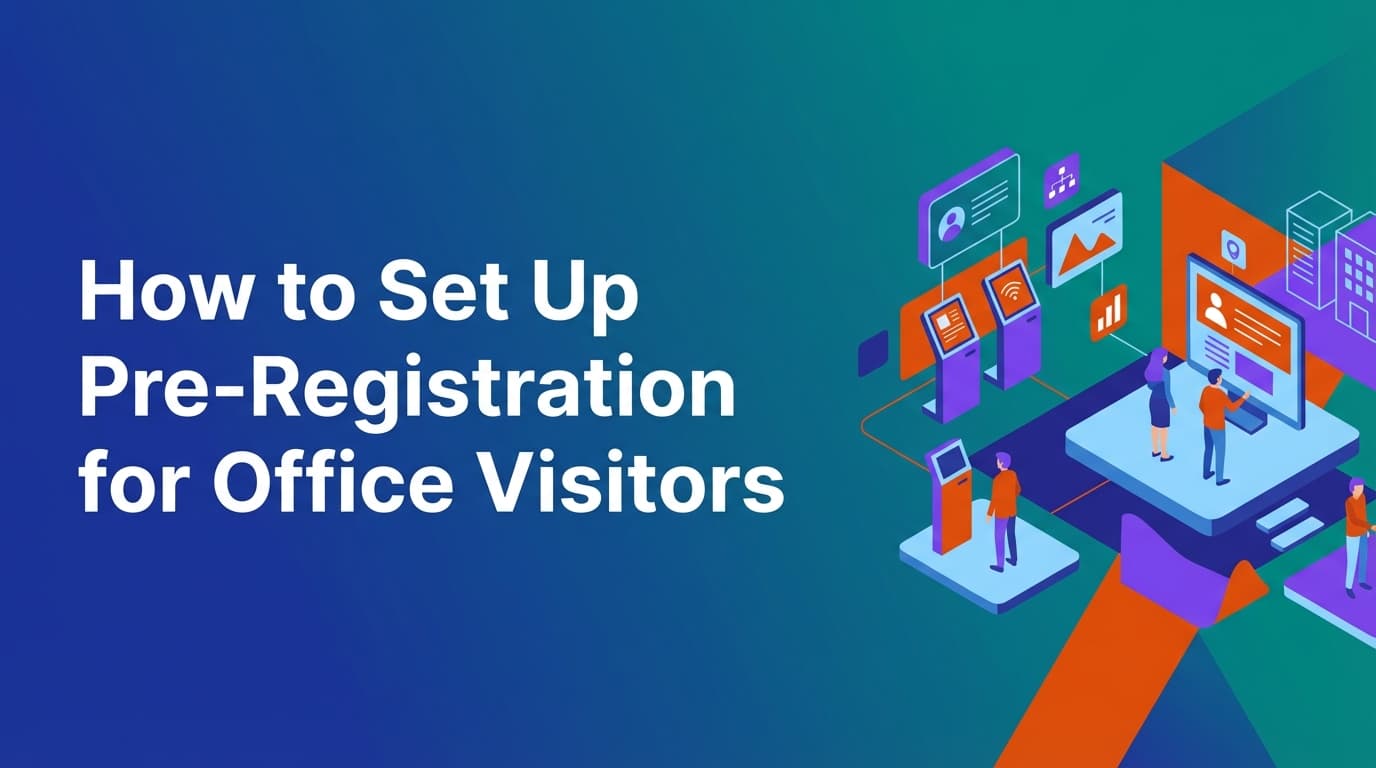
How to Set Up Pre-Registration for Office Visitors
Visitor pre-registration streamlines office entry by collecting guest information and signed documents before arrival. This guide explains how to configure automated invites, digital NDAs, and check-in enforcement to ensure security and operational accuracy. By moving from manual logs to a unified workplace system, facilities teams gain audit-grade data on actual office occupancy.

By Ethan Montgomery
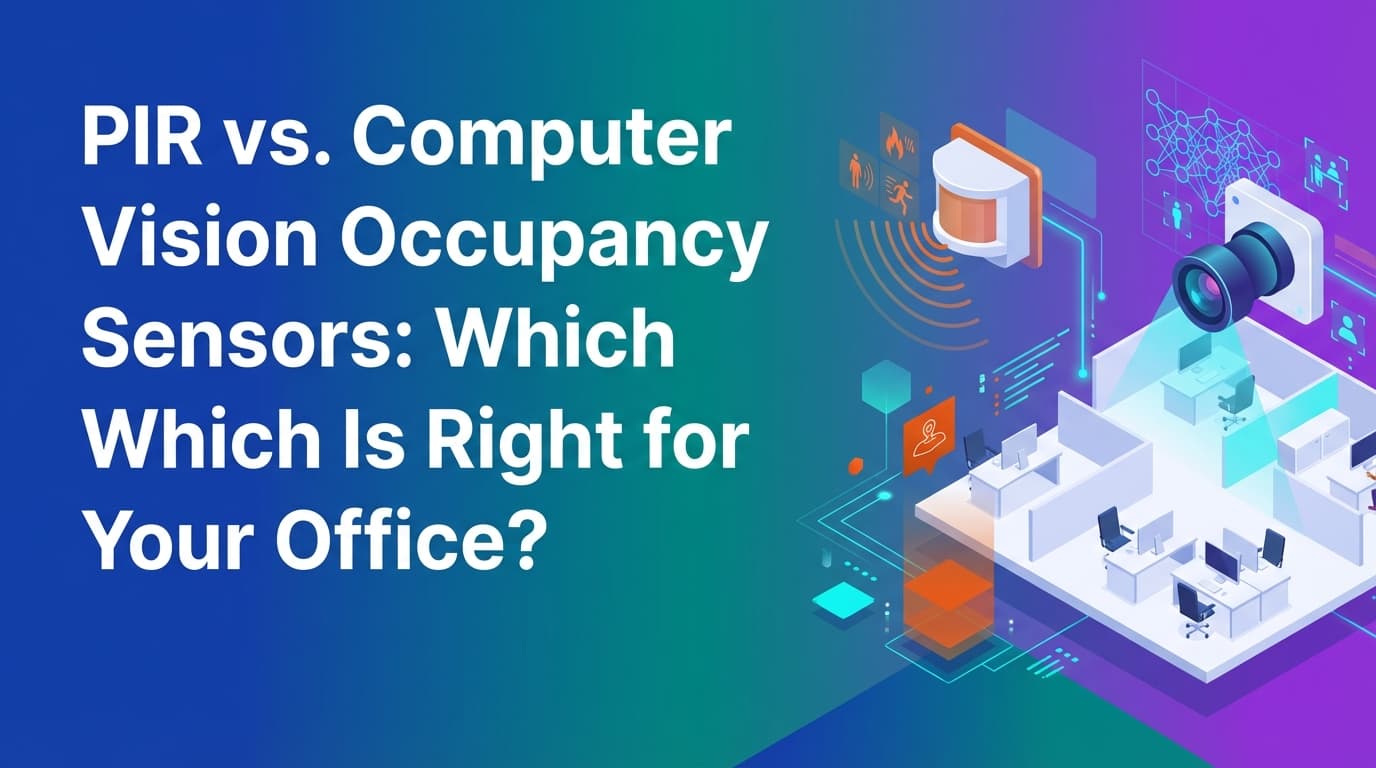
PIR vs. Computer Vision Occupancy Sensors: Which Is Right for Your Office?
PIR sensors provide binary occupancy data at a low cost, while computer vision sensors offer precise person-counting and density metrics. Choosing between them depends on whether you need to manage individual desk check-ins or understand total room utilization. This guide compares both technologies to help workplace teams build a reliable system for tracking actual office usage.

By Isabella Hunter
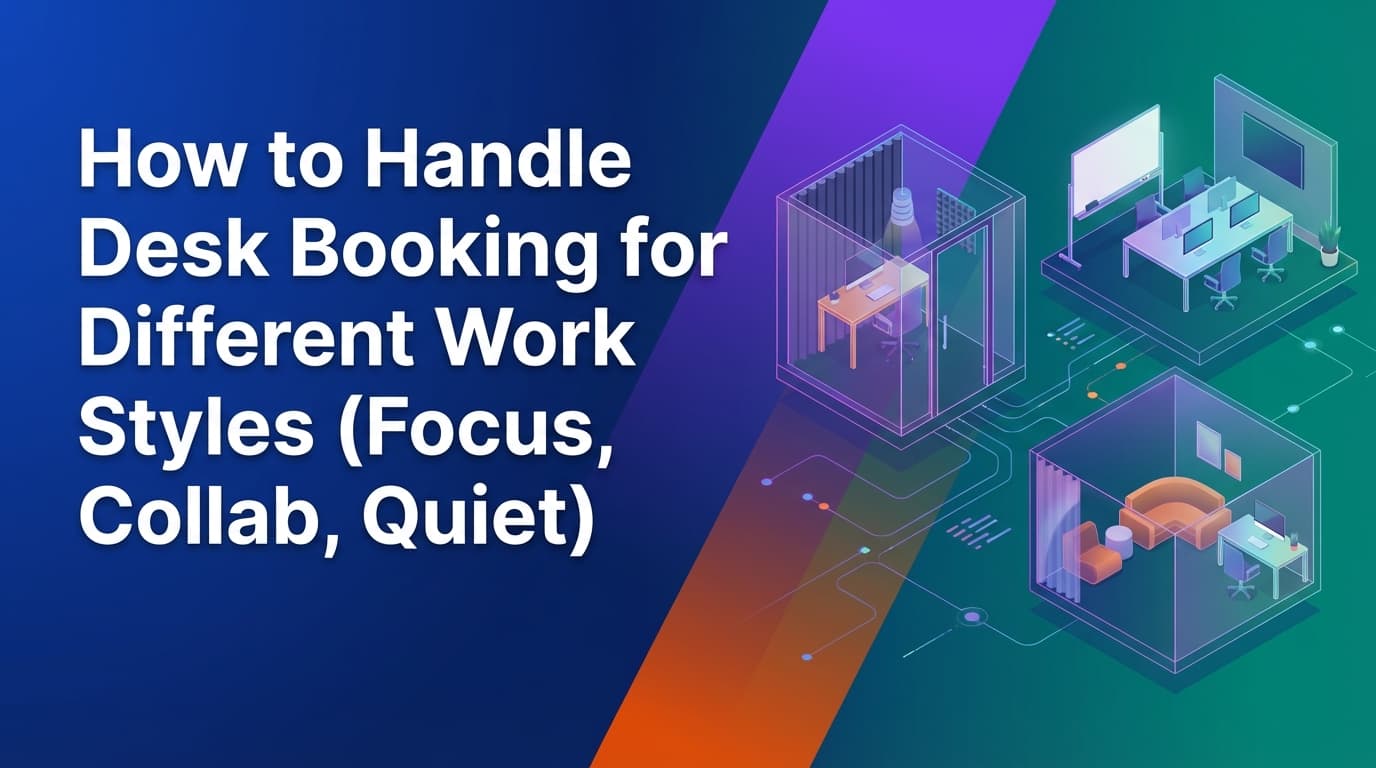
How to Handle Desk Booking for Different Work Styles (Focus, Collab, Quiet)
Effective desk booking requires more than just a reservation system. It needs policy enforcement and spatial modeling to support focus, collaboration, and quiet work. This guide explains how to use multi-modal booking logic and check-in enforcement to ensure employees find the right space while providing facilities teams with accurate utilization data.
By Charlotte Reed
Visitor Analytics: Understanding Traffic Patterns for Better Staffing
Visitor analytics provide data on actual arrival times and lobby occupancy. By tracking check-in patterns rather than calendar invites, workplace teams can align staffing levels with peak traffic hours. This guide covers how to identify visitor patterns and reduce front desk bottlenecks.

By Nora Bradford
How to Gather and Act on Employee Workplace Feedback
Workplace feedback is only useful when compared against actual usage data. To improve office operations, you must gather qualitative sentiment through surveys and verify it against quantitative check-in records. This guide explains how to collect feedback, identify gaps between intent and behavior, and implement policy changes using a unified operational system.

By Amelia Clarkson
How to Improve Meeting Room Utilization with Smart Scheduling
Meeting room utilization improves when organizations move from calendar assumptions to operational enforcement. By implementing check-in requirements and auto-release policies, workplace teams can recover significant amounts of ghosted meeting space. This guide explains how to use smart scheduling to align room availability with actual office usage.

By Isabella Hunter
The Complete Guide to Visitor Management Systems for Modern Offices
A visitor management system replaces manual logs with digital check-ins, legal document signing, and host notifications. This guide explains how to implement visitor tracking that enforces security policies and provides audit-grade data for workplace operations teams.

By Alexander Bennett

How to Build a Workplace Analytics Program from Scratch
A workplace analytics program turns office activity into actionable data for real estate decisions. This guide covers how to move from calendar assumptions to audit-grade utilization tracking by implementing check-in enforcement, unified data models, and automated reporting.

By Amelia Clarkson
How to Increase Voluntary Office Attendance Without Mandates
Increase voluntary office attendance by removing friction and using real utilization data to design better workspaces. This guide covers how to transition from unpopular mandates to a 'magnet' office model using check-in enforcement, neighborhood booking, and resource-agnostic management.

By Julian Everett
The Complete Guide to Hybrid Work Policies for Enterprise Organizations
Effective hybrid work policies require more than just a document; they need automated enforcement and reliable data. This guide explains how to build a policy that balances employee flexibility with operational requirements using check-in enforcement, resource-agnostic booking, and real-time utilization tracking.
By Nora Bradford
How Wayfinding Improves Employee Experience in Large Offices
Wayfinding reduces the time employees spend searching for desks and rooms in large offices. By connecting spatial maps to real-time occupancy data, workplace teams ensure staff find available resources quickly. This guide explains how digital wayfinding improves office navigation and utilization through unified operational data.
By Lucas Hamilton
Emergency Evacuation: How Visitor Management Supports
Digital visitor management ensures safety compliance by providing real-time, accurate headcounts during emergencies. This guide explains how to move from paper logs to a unified operational system that tracks everyone on-site, automates roll calls, and provides audit-grade data for safety inspections.