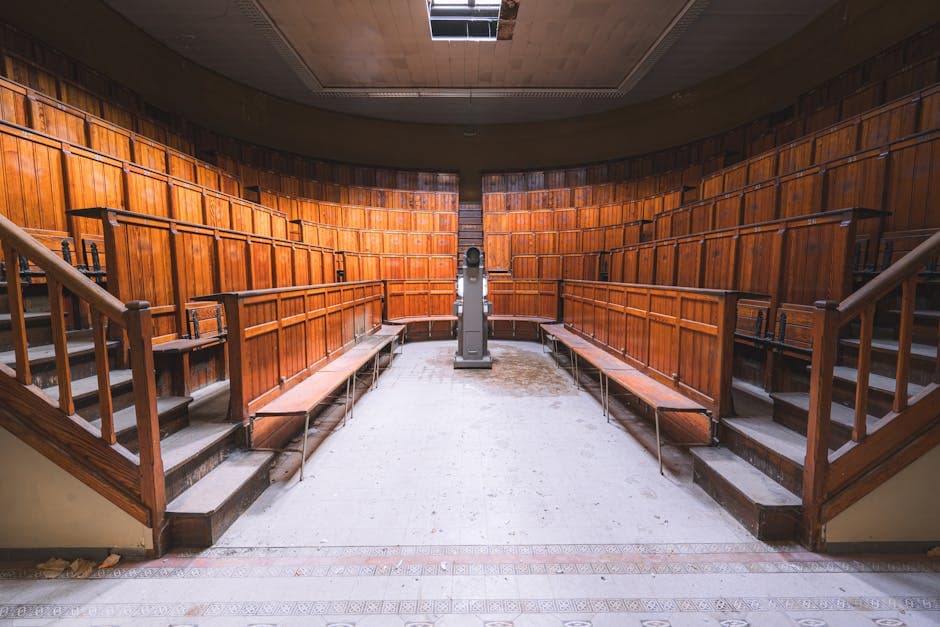
Conference Room Naming: A Reflection of Your Company's Culture and Brand
"Discover the significance of conference room names and explore tips for choosing memorable and meaningful names that reflect your company's character and leave a lasting impression on your clients and employees. "


Your Room Names Are Already Saying Something
A visitor walks into your office and sees a conference room called "The Synergy Chamber." Before they've met a single employee or sat through a single pitch, they've already formed an opinion. That opinion probably isn't flattering.
Room names are a cultural tell. They broadcast what a company values -- or what it thinks it should value -- whether anyone planned it that way or not. Most companies treat them as an afterthought, which is exactly why they end up being so revealing.
The Accidental Honesty of Generic Names
Walk through any mid-size office park and you'll find conference rooms named things like "Room A," "Room B," and "Large Conference Room." These names aren't trying to say anything. But they say plenty: we don't think about the details, we optimized for function over personality, nobody here had the time or authority to name these rooms something better.
That's not always a bad thing. A law firm with rooms named "Conference Room 1" through "Conference Room 8" is communicating reliability and professionalism. The problem comes when a startup that claims to be "disrupting" an industry also has rooms called "Meeting Room A." The disconnect between what you say and what your space says is what people actually notice.
When Names Try Too Hard
The opposite problem is just as common. Rooms called "The Innovation Lab" or "The Dream Factory" or "Idea Incubator" sound like they were pulled from a corporate motivational poster. They suggest a company that talks about creativity more than it practices it.
The worst offenders are names that combine buzzwords: "The Disruption Hub," "Synergy Station," "The Agile Den." These names tell visitors that someone in leadership read an article about company culture and decided naming was cheaper than actually building one.
If your room names sound like they could be parody, they probably read that way too.
What Good Names Actually Do
The companies that get room names right tend to share a few traits. Their names are specific rather than aspirational. They reference something real -- a place, a person, an inside joke -- rather than an abstract concept.
Airbnb names its meeting rooms after actual listings on its platform. That's not just cute branding; it's a daily reminder of the product the company builds. Engineers book a meeting in "Treehouse in Atlanta" and unconsciously reconnect with what their work makes possible.
Slack named rooms after stops along the Pacific Crest Trail, tying different floors and offices into a single geographic thread. The names are easy to remember, they follow a logical order, and they reflect the company's Pacific Northwest roots.
Neither company chose names to impress visitors. The names work because they're genuine to who those companies are.
Room Names as a Culture Test
Here's a useful exercise: imagine describing your room names to a job candidate. Would you feel proud? Embarrassed? Indifferent? That reaction tells you something.
A few patterns worth paying attention to:
- All names reference leadership or hierarchy ("The Boardroom," "Executive Suite," "The Corner Office"). This signals a top-down culture, even if you claim to be flat.
- Names are all aspirational abstractions ("Vision," "Purpose," "Impact"). This often means the company struggles to articulate what it actually does differently.
- Names reference a shared interest or history ("Hatch" for the room where the company was founded, city names where early customers were based). This signals a team with real shared context.
- Names are funny or self-deprecating ("The Fishbowl" for the glass-walled room, "The Broom Closet" for the tiny one). This suggests a company that doesn't take itself too seriously.
None of these are inherently right or wrong. But they should be intentional.
Practical Signals, Not Just Vibes
Room names also have a functional job. They need to be easy to say, easy to remember, and easy to distinguish from each other. A visitor asking "Where's Kilimanjaro?" at the front desk will get better directions than someone asking "Where's Conference Room 3B?"
Good naming conventions also help with booking. When rooms have memorable, distinct names, people stop double-booking "the one near the kitchen" because they can actually tell rooms apart in the calendar.
Some practical considerations that most naming guides skip:
- Length matters. Names longer than two words get shortened informally, and the shortened version may not be the one you intended. "The Thomas Edison Innovation Center" will become "Edison" or "that long room" within a week.
- Pronunciation matters. If half your team can't confidently say the name, they'll avoid using it. This is especially important in international offices.
- Similarity causes confusion. "Aurora" and "Arora" on the same floor will generate more scheduling errors than you'd expect.
The Honest Approach
The best room names aren't the most creative or the most impressive. They're the most honest. They reflect something real about the company -- its history, its product, its people, its neighborhood -- without trying to manufacture a culture that doesn't exist yet.
If your company genuinely values science and curiosity, naming rooms after researchers makes sense. If your team bonds over movie quotes, film references will feel natural. If you're a three-person startup working out of a converted garage, calling your one meeting space "The Garage" is more authentic than "The Innovation Suite."
The test isn't whether the names are clever. It's whether they'd still make sense to someone who spent a week working at your company.
Once you've picked out names for your meeting rooms, you'll want a system to manage bookings and availability. WOX's room booking solution makes it easy to see which rooms are free, book recurring meetings, and keep everything organized -- so your beautifully named rooms actually get used.
Learn More About Room Booking Guide
For comprehensive guidance, see our guide on meeting room booking and management.
Related Articles
Explore more insights on this topic:
Want to learn more about Room Booking?
Explore our complete guide with more articles like this one.