How to Improve Workplace Experience (And Why It Increases
"Good workplace experience increases employee retention by 40%. Workplace experience has 3 components: space (office layout, amenities), technology (booking tools, collaboration apps), and culture (policies, manager support). This guide covers actionable improvements for each. "


Good workplace experience increases employee retention by 40%, according to Gallup research. Workplace experience has three components: physical space (office layout, natural light, amenities), technology (booking tools, collaboration apps, IT support), and culture (policies, manager relationships, recognition). This guide covers specific improvements you can make in each area.
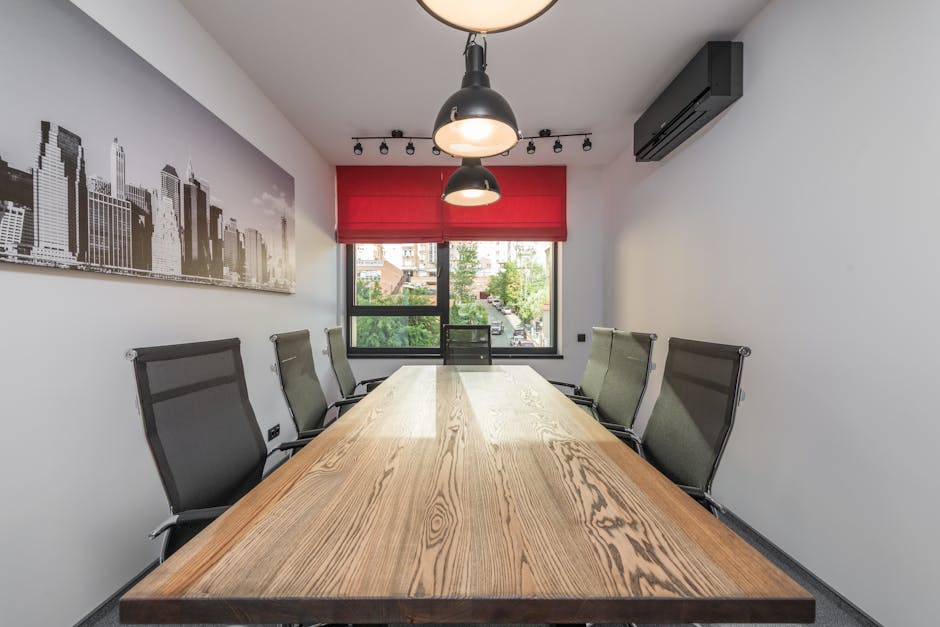
What is Workplace Experience?
Workplace experience is a holistic approach that encompasses three core elements:
- Space: The physical surroundings where employees work, including office layout, furniture, and amenities.
- Technology: The systems and tools employees use to perform their jobs efficiently and collaboratively.
- People: The relationships, policies, and cultural standards that impact productivity and employee satisfaction.
By examining how these elements work together, organizations can create an optimal environment that drives better business outcomes, such as increased employee happiness, talent retention, and lower real estate costs.
Improving Workplace Experience with Space
Create Purposeful Spaces
Space management is key to nurturing a great workplace experience. Assess the function of each space in your office to ensure it meets the diverse needs of your employees. Create quiet pods, phone booths, and individual desks for focused work, as well as collaboration areas, social spaces, and meeting rooms for teamwork and idea-sharing.
Get Creative with Workplace Design
Gone are the days of dull, gray offices. Incorporate elements like comfortable furniture, plants, and pops of color to create an inviting and inspiring workspace. Ensure your workplace receives ample natural light and fresh air to keep employees engaged and refreshed.
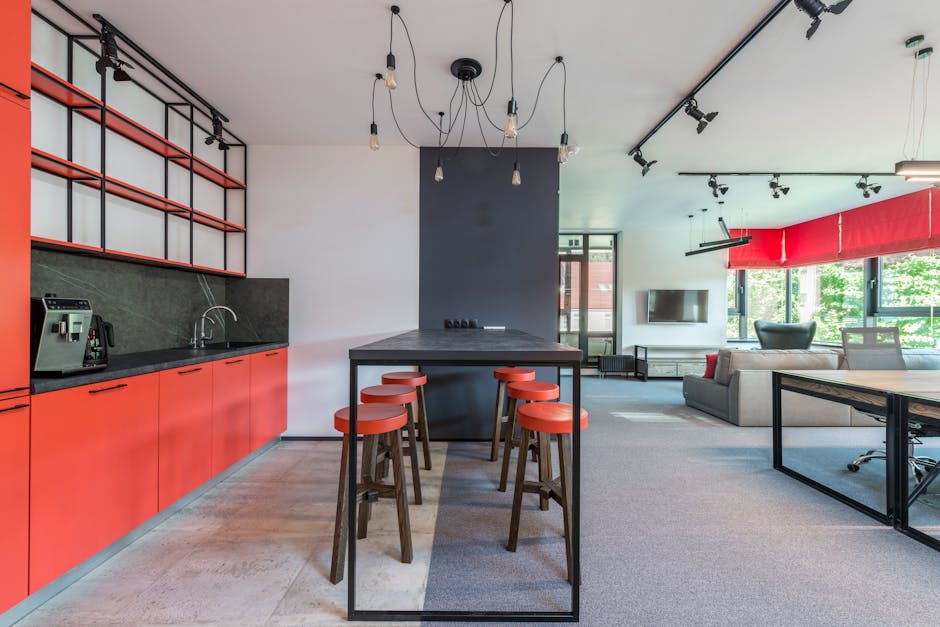
Upgrade Your Kitchen Area
The kitchen is often the heart of company culture—a place where coworkers gather, eat, and take breaks. Design a clean, spacious, and well-stocked kitchen with a variety of snacks and beverages to suit different dietary needs and preferences.
Improving Workplace Experience with Technology
Uplevel the Welcome Experience
Invest in a visitor management solution to streamline the check-in process and create a warm, welcoming experience for employees and visitors alike. Look for features like customizable sign-in, notifications, and analytics to optimize your lobby area.
Implement Desk Booking Software
Switching to hot desking gives employees the freedom to work where they feel most comfortable and productive. Use a desk booking system to allow employees to easily find and reserve their preferred desks, equipped with the amenities they need.
Invest in Room Booking Software
Room scheduling software helps employees quickly find and book available meeting rooms for collaboration and discussions. Prioritize features and integrations that work seamlessly within your organization to offer the best workplace experience.

Improving Workplace Experience with People
Gather Employee Feedback
Regularly seek feedback from employees to ensure you're meeting their needs and continuously improving the workplace experience. Provide multiple channels for sharing feedback, such as surveys, meetings, and Slack channels, and communicate the changes being made as a result.
Plan Regular Workplace Events
Company events, both professional and personal, help cultivate company culture and bring people together. Plan a range of workplace events to engage employees, foster connections, and create a fun, inclusive atmosphere.
Provide Food in the Workplace
Offering free meals or snacks is a simple way to show appreciation for your employees and make them feel valued. Partner with local restaurants or stock up on a variety of snacks and beverages to cater to different preferences.

Where Traditional Office Management Falls Short
Traditional offices treat all employees the same—assigned desks, fixed schedules, one-size-fits-all amenities. This ignores that different roles and work styles need different environments. Engineers may need quiet focus time while sales teams thrive on collaboration. Without technology to book appropriate spaces and measure what employees actually use, you're guessing at their needs.
Frequently Asked Questions
What is workplace experience?
Workplace experience encompasses everything that affects how employees feel about coming to work: physical space (layout, amenities, natural light), technology (booking tools, collaboration apps, IT support), and culture (policies, manager relationships, recognition). Good workplace experience increases retention by 40% according to Gallup.
How do you measure workplace experience?
Measure workplace experience through employee surveys (satisfaction scores, eNPS), utilization data (are employees actually using the spaces and tools provided), and retention metrics. Track both quantitative data (booking rates, attendance) and qualitative feedback (what employees say they need).
What technology improves workplace experience?
Key technologies include desk booking software (lets employees choose where to work), room scheduling (eliminates meeting room conflicts), visitor management (professional check-in experience), and workplace apps (wayfinding, service requests, colleague location). Integration between these tools creates a seamless employee experience.
How much does poor workplace experience cost?
Poor workplace experience increases turnover, which costs 50-200% of annual salary per departing employee. It also reduces productivity by 20-30% when employees can't find appropriate workspace or collaboration tools. Companies with strong workplace experience report 21% higher profitability.
Conclusion
Workplace experience directly impacts retention (40% improvement) and productivity. The three pillars are space (variety of workspace types), technology (booking and collaboration tools), and culture (policies and manager support). Start by surveying employees to identify the biggest friction points, then address them systematically.
Learn More About Workplace Experience Guide
For comprehensive guidance, see our guide on employee experience and workplace culture.
Want to learn more about Workplace Experience?
Explore our complete guide with more articles like this one.